Category: Medical

Elbow implant problems and Stryker recall
If you’re suffering with elbow implant problems, you may want to read this. The recent Stryker recall could be linked to any complications you’re experiencing.
Back in November 2017, a Field Safety Notice was filed for a recall of the rHead Radial Head and the Uni-Elbow prosthesis. In February this year, a medical device alert was put out by the MHRA (Medicines and Healthcare products Regulatory Agency). Urgent actin is to be taken, and any patient suffering should seek medical advice.
The problems that could be caused that are linked to this recall can be serious. Having recovered over £1.3m in damages for victims of the PIP implant scandal, as well as representing Claimants in hip implant cases and other medical device actions, these kinds of claims are one of our primary specialisms.
Are you suffering with valsartan side effects?
If you’re suffering with valsartan side effects, you may want to read this article and take heed of some important information about the drug.
Last year, a Class 1 Medicines Recall was initiated by Medicines and Healthcare products Regulatory Agency (MHRA). The recall stems from potential contamination that comes from the production process that could be incredibly serious for anyone affected. In fact, in the US, lawsuits have been active for some time now. When members of the Group Action Lawyers attended a conference in the U.S. last year, it was clear to us just how serious this issue could be.
If you’ve been taking the medication here in the UK and you’ve suffered problems or side effects, we may need to speak with you.

Are you affected by the bard mesh recall?
If you’re affected by the Bard mesh recall, is there any immediate danger, or is there any action that you need to take?
We can’t say that we’re surprised by the news of the recall. We’ve been advising women for years who have suffered problems and complications that have stemmed from being fitted with a vaginal mesh device. We’re also representing women who are making mesh implant compensation claims.
The company has initiated a recall and has immediately ceased production and distribution in Europe as a result of not wanting to invest further resources in evolving regulations. So, what does this mean for the patients?
Legal advice for hernia mesh complications
If you’re suffering with hernia mesh complications and you need legal advice about your options for help and assistance, we’re ready to listen.
We’re already acting for a group of patients suffering with hernia mesh complications. With the risk of problems being reportedly as high as 30%, and with over 170,000 suffering issues, it’s important for people to know what their options are.
For those who match our eligibility criteria, we can offer No Win, No Fee legal representation for compensations claims. Our advice is simple: don’t suffer in silence, and read this blog for some vital information.

Yet to start your transvaginal mesh claim? Read this now!
If you’ve yet to start your transvaginal mesh claim for compensation, we recommend that you read this urgent advice about your options for justice.
We know that people put off starting a legal case for many reasons. One of the main ones is the worry about having a formal legal claim. But if you leave it too late, you risk being unable to claim at all.
There can be a number of timeframes involved in a case like this, and we’ve had to turn people away in the past who have missed deadlines to claim. We don’t want you to miss out on your chance for justice. With that in mind, here’s a little useful guidance about making a transvaginal mesh claim for compensation.
Starting your vaginal mesh lawsuit with us
Starting your vaginal mesh lawsuit with the Group Action Lawyers, if you’ve yet to do so, can be quick and easy.
In the UK, there has been legal actions going on for quite some time. However, it’s taken a while for regulators and the NHS to really act on vaginal mesh complications that people are suffering from. Only last year did the NHS finally put a widespread pause on the use of mesh implants, pending further investigations. Although there are still few definitive answers we need in terms of the problems people are suffering from, we’re taking legal action for women who are suffering with problems.
We’re calling on anyone who has yet to initiate a vaginal mesh lawsuit in the UK to contact our team as soon as possible.

Compensation action for victims of the Oculentis recall
If you’ve been affected by the Oculentis recall, you may be eligible to join our compensation action with No Win, No Fee representation.
If you’re one of the hundreds of people who have been affected by the opacification problems related to surgically-implanted intraocular lenses, we may be able to help you. If you’ve been suffering with blind spots ore cloudiness in your vision, and needed / need corrective surgery, you could be entitled to thousands of pounds in compensation.
Even if you didn’t have to pay for the revision surgery, you could still be eligible to make a claim. But hurry: time limits for these types of cases can lead to people missing out on their chance to make a claim.
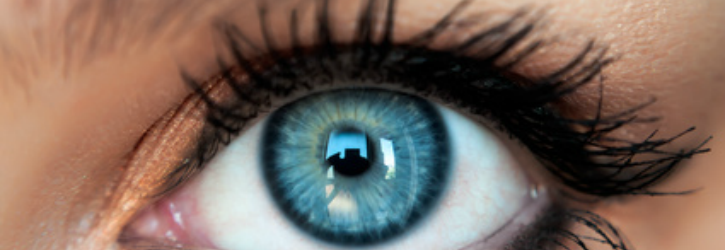
Oculentis compensation action
If you’ve yet to initiate your legal action for Oculentis compensation, make sure you speak to our team as soon as you possibly can.
In this type of action, there can be complicated (and multiple) time limits to claim. Missing one or more of these deadlines could mean the difference between receiving thousands of pounds in compensation or getting absolutely nothing at all.
You may be eligible to claim Oculentis compensation if you’re one of the hundreds of people affected by the recall of their intraocular lenses.

Breast cancer screening compensation
If you’ve yet to touch base with us about your No Win, No Fee options for breast cancer screening compensation, please get in touch as soon as you can.
We’re involved in legal action breast cancer screening compensation for the scandal that hit the media last year. This was the IT glitch that cut the age off of letter being sent to the vulnerable group (aged between 68 and 71). The result of the glitch meant some 450,000 women may not have receive their potentially life-saving invitation for breast cancer screening.
Shortly after the news of the scandal hit the press, we were contacted for help. We’ve agreed to act for women affected by the scandal on a No Win, No Fee basis.

Pelvic mesh compensation
You could be entitled to claim for pelvic mesh compensation with our team who are already representing women affected by this long-standing and serious issue.
A female lawyer from the team can be appointed for you, and we offer No Win, No Fee arrangements for people who claim with us. Although these can be incredibly complex cases to help people with, our expert team have a wealth of experience and relevant history to fight your battle for justice.
That’s why we’re prepared to offer our No Win, No Fee service for the cases, because we believe in access to justice for all.